How Body Contouring Farmington Hills Can Refine Problem Areas
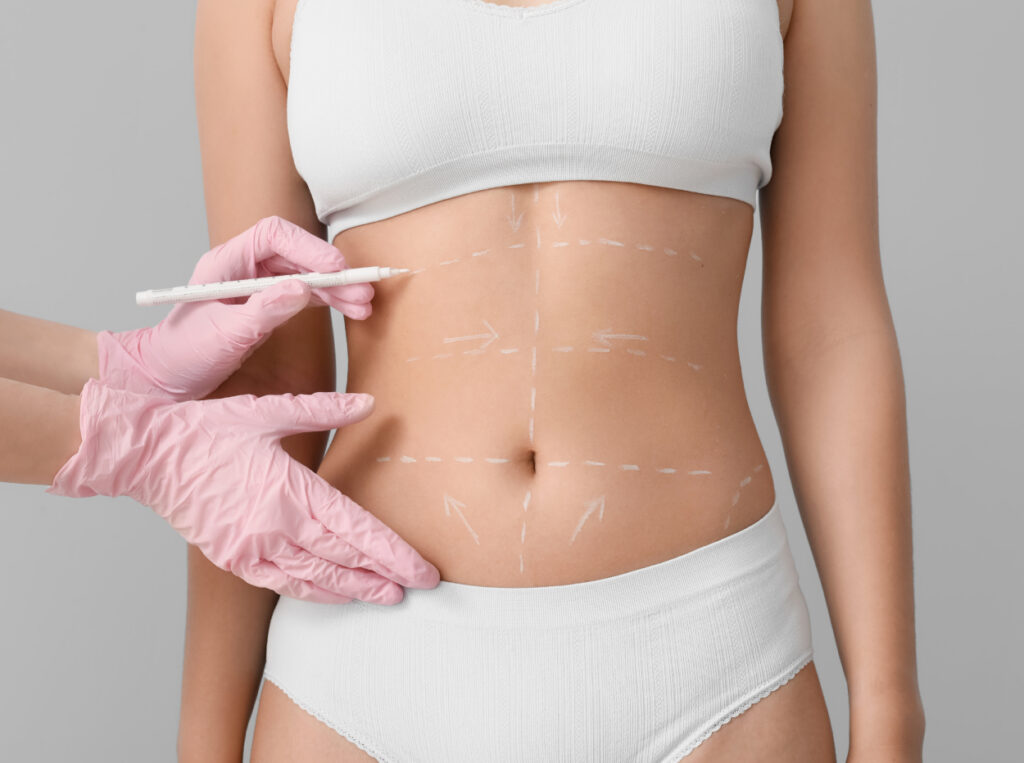


Body contouring has a very specific appeal. It is not usually about becoming an entirely different size or chasing a dramatic transformation overnight. More often, it is about the stubborn places that seem to resist everything else. The lower abdomen that still feels puffy after weight loss. The flanks that hold on no matter how consistent the gym routine has been. The area beneath the chin that changes the whole balance of the face in photographs. These are the concerns that bring many people to ask about Body Contouring Farmington Hills options, especially when diet and exercise have already done most of the heavy lifting.
That distinction matters. Body contouring is best understood as refinement, not rescue. In practice, the happiest patients are often the ones who are already fairly close to their goals. They may be healthy, active, and realistic. What frustrates them is not a lack of effort. It is the mismatch between effort and result in specific areas. A treatment plan can help narrow that gap, but only when the starting point, the anatomy, and the patient’s expectations all line up.
What “problem areas” actually mean in practice
People use the phrase “problem areas” casually, but there is nothing casual about the biology behind them. Fat distribution is influenced by genetics, age, hormones, prior pregnancies, muscle tone, skin quality, and weight history. Two people can eat similarly, exercise with the same discipline, and still store fat in very different patterns. One person gains first in the midsection. Another sees fullness along the inner thighs. Another develops laxity and heaviness in the upper arms after significant weight loss.
That is why body contouring is not one universal treatment. It is a category that includes different approaches for different tissue concerns. Some techniques primarily target localized fat. Others focus more on skin laxity, tissue tightening, or the shape left behind after volume is reduced. A good consultation separates these variables instead of lumping them together.
The distinction between fat and loose skin is especially important. Patients sometimes describe an area as “fat” when the real issue is skin redundancy or weakened support beneath the surface. The reverse also happens. Someone thinks they need skin tightening, but the contour would improve more if a discrete pocket of fat were reduced. The eye sees a bulge or softness. The treatment plan has to identify why it is there.
In that sense, the work starts before any treatment. Careful assessment often matters more than the technology itself.
Why some areas resist even disciplined habits
If you have ever seen someone lose 25 or 40 pounds and still complain about the same lower belly or bra-line fullness, it can sound surprising until you remember how selective the body can be. Fat loss does not happen like spot cleaning a countertop. The body draws from stores according to its own patterns. You can strengthen the muscles beneath an area, improve overall body composition, and still find that the visible contour barely changes in one stubborn zone.
This is where targeted treatments enter the conversation. They are not replacing healthy habits. They are addressing what healthy habits cannot always localize. In clinical settings, the most common concerns tend to cluster around a handful of regions:
- abdomen and lower belly
- flanks or “love handles”
- thighs, especially outer and inner thigh fullness
- upper arms and bra-line pockets
- under-chin fullness
Those are common, not automatic. The “best” area to treat is the one where a modest improvement will make the whole silhouette feel more balanced. Sometimes a small change in the flanks improves how clothing fits across the waist. Sometimes reducing submental fullness sharpens the jawline enough that a patient feels noticeably more confident on video calls and in photos. Body contouring can be subtle in inches and still meaningful in daily life.
The role of skin quality in the final result
One of the biggest reasons results vary is skin behavior. Fat reduction alone does not guarantee a smooth finish. Skin has to contract well enough to drape over the new contour. Younger patients often have an advantage here, though age is only part of the equation. Sun exposure, smoking history, weight cycling, pregnancy, collagen loss, and genetics all affect elasticity.
This is why two patients with similar waist measurements can respond very differently to the same treatment. One develops a cleaner, tighter contour as the area reduces. The other sees less dramatic change because the skin does not snap back in the same way. Neither outcome is wrong. They are simply different biological realities.
A skilled provider usually addresses this early and directly. If someone has moderate to significant laxity, the conversation should include whether non-surgical options can realistically help, whether combining fat reduction with skin-tightening makes sense, or whether a surgical approach would produce a cleaner result. Patients appreciate honesty here, even when it means hearing that a less aggressive treatment may not be enough.
Non-surgical contouring and where it tends to shine
Non-surgical body contouring attracts attention for obvious reasons. There is typically less downtime, no incisions, and a lower threshold for trying treatment. For the right patient, these options can work well. They tend to shine when the concern is localized fullness rather than large-volume reduction.
Many people exploring Body Contouring Farmington Hills services are looking for exactly that middle ground. They do not want surgery, but they do want more than another promise from a topical cream or social media workout challenge. They want measurable improvement, even if it is incremental.
That last point deserves emphasis. Non-surgical body contouring is often a game of percentages, not dramatic single-session transformations. Changes may unfold over weeks or months. The area may look smoother, smaller, or more proportional, but not radically different. Providers who explain this clearly tend to build more trust than those who oversell “instant sculpting.”
The best use case is often someone near a stable weight with a defined complaint. Think of the patient who says, “I like my overall shape, but I can pinch this one section and it never leaves.” That person is often more satisfied than the person hoping https://paxtonxqsv383.currentvale.com/posts/body-contouring-farmington-hills-planning-your-body-goals-with-confidence contouring will substitute for broad weight loss.
When surgery makes more sense
There is no virtue in forcing a non-surgical solution onto a surgical problem. If a patient has a substantial amount of excess tissue, marked skin laxity, separated abdominal muscles after pregnancy, or contour irregularities after major weight changes, surgical correction may offer the more predictable and efficient result.
That can be a difficult conversation because many people naturally prefer a treatment with less downtime. But professional judgment matters here. If a provider knows a non-surgical device may only produce a mild change in a case that needs a structural reset, it is far better to say so. A patient who spends time and money on multiple underpowered treatments often ends up frustrated, not because the technology failed, but because it was mismatched to the problem.
Surgery also has trade-offs. It involves recovery, expense, scars, and a different level of commitment. Still, for the right anatomy, those trade-offs can be worth it. The key is not whether one category is “better.” The key is whether it fits the tissue you are actually treating.
The consultation should feel more like planning than selling
A strong consultation rarely feels rushed. It usually includes measurements or photographs, a discussion of weight stability, review of medical history, and an honest look at what bothers the patient most. The conversation should also cover timeline. That matters more than people expect.
Someone planning a beach trip in six weeks may not be the best candidate for a gradual treatment whose visible effects emerge over two or three months. Someone preparing for a wedding may need to think carefully about swelling, bruising, or temporary tenderness depending on the procedure. Timing does not change anatomy, but it does change how satisfied a patient feels when results unfold.
There are a few questions that tend to separate productive consultations from superficial ones:
- What exactly is causing the contour issue, fat, skin laxity, muscle separation, or a mix?
- How much improvement is realistic for this area?
- How many sessions might be needed, and when would changes show?
- What will recovery or aftercare actually look like in daily life?
- If this option underperforms, what would the next best alternative be?
Those questions sound simple, but they cut through marketing language quickly. They focus the discussion on anatomy, expectations, and practical outcome.
Refinement can change how clothes fit, not just how the body measures
One of the least flashy but most meaningful benefits of body contouring is improved fit. Patients do not always care most about the scale. They care that pants sit better at the waist without pulling across the lower stomach. They care that a fitted dress no longer catches at the bra line. They care that sleeves feel easier, that shorts fall more cleanly, or that a tucked-in shirt creates less self-consciousness.
This is where the psychological value of refinement becomes clear. A one-inch change in circumference may not sound life-changing on paper. But if that inch is in the exact area that has bothered someone for years, it can alter posture, wardrobe choices, and self-perception. These are not trivial outcomes. They are the reason many people seek treatment in the first place.
I have seen people light up not because they look unrecognizable, but because they finally look more like how they felt they should look after all their work. That emotional alignment matters. It is often the true goal beneath the request for contouring.
Postpartum concerns deserve a more nuanced conversation
After pregnancy, many patients describe the abdomen as “never the same.” That can refer to fat, stretched skin, muscle separation, scar tethering from a C-section, or all of the above. Treating postpartum contour changes requires nuance because the visible issue is frequently layered.
A lower abdominal bulge, for example, may not disappear with fat reduction alone if the abdominal wall is separated. Mild laxity might respond reasonably well to a non-surgical plan, but more significant changes may require surgery for a truly satisfying correction. There is also the question of timing. Tissue continues to shift for months after delivery, and weight can fluctuate depending on recovery, sleep, and breastfeeding.
This is an area where unrealistic online comparisons do real harm. Social feeds tend to flatten all postpartum bodies into before-and-after clichés. Actual anatomy is more complicated. Good care acknowledges that complexity and avoids promising a simple fix for what may be a multi-factor concern.
Men seek body contouring too, often for different reasons
Though much of the marketing in aesthetics still skews toward women, men frequently pursue body contouring, and their goals can be slightly different. Men often ask for abdominal definition, flank reduction, or submental contouring. They are usually less interested in looking “smaller” and more interested in appearing leaner, sharper, or more athletic.
That difference affects planning. A male patient may want to preserve a strong, broad frame while reducing the areas that blunt it. Over-reduction can look unnatural just as easily as under-treatment can look ineffective. This is one reason an experienced eye matters. A good result is not merely a reduction in volume. It is a contour that suits the person’s build.
In communities like Farmington Hills, where patients often balance demanding work schedules with family life and social visibility, discretion and downtime can matter just as much as the final aesthetic change. That practical context often shapes which treatments people consider acceptable.
Weight stability is the quiet factor behind long-term satisfaction
If there is one variable that quietly predicts satisfaction, it is weight stability. Body contouring can refine shape, but it does not make the body immune to future change. Significant gain after treatment can blur the result. Substantial loss afterward can reveal looseness that was not obvious at the time of treatment.
For that reason, providers often prefer to treat when a patient has reached a sustainable baseline rather than a temporary low reached through an aggressive diet. Sustainability beats urgency. The body you can maintain is the body worth contouring.
This can be frustrating for someone who wants immediate action, but it is usually wise counsel. I have seen people chase aesthetic treatments while their weight is still swinging by 10 or 15 pounds in either direction. Results become hard to judge, and dissatisfaction follows. By contrast, the patient who holds a steady routine for several months tends to have clearer goals and more durable outcomes.
What recovery really feels like
Recovery varies widely depending on the method used, but one of the most common mistakes is assuming that “non-surgical” means “nothing to plan for.” Even when there are no incisions, there may still be swelling, tenderness, numbness, temporary firmness, or a gradual response that requires patience. The area can look unchanged before it looks better. That lag period can make anxious patients second-guess the process.
Surgical recovery, of course, asks more. Compression garments, activity restrictions, soreness, contour fluctuations, and follow-up visits are part of the package. Even then, many patients say the hardest part is not the discomfort itself. It is the temporary mismatch between expectation and the healing timeline. People imagine waking up to a polished final result. Real tissue does not work that way.
A thoughtful provider prepares patients for the unglamorous middle phase. Swelling settles. Tissue softens. Skin adapts. Shape clarifies. Good outcomes often require patience as much as technology.
Why customization matters more than trendiness
The aesthetics industry is very good at promoting trends. A device or procedure becomes popular, and suddenly everyone asks if it is the answer. But body contouring is not a sneaker release. The best treatment is rarely the newest one by default. It is the one that matches the anatomy, the tolerance for downtime, the budget, and the result the patient actually wants.
This is especially relevant when people search for Body Contouring Farmington Hills options online and encounter polished marketing before they ever set foot in an office. Marketing tends to flatten nuance. It highlights convenience, broad candidacy, and flattering before-and-after imagery. What it cannot do is examine tissue, discuss elasticity, or calibrate expectations.
Customization means resisting one-size-fits-all thinking. A patient with a small, dense flank pocket may benefit from one approach, while a patient with diffuse abdominal softness and mild laxity may need another. A person recovering from major weight loss enters with very different priorities than someone who wants minor pre-vacation refinement. The label “body contouring” covers all of them, but the treatment path should not.
The best results usually look unremarkable to everyone except the patient
This may sound strange, but it is often true. The most elegant contouring outcomes are not shocking. They do not make friends say, “What procedure did you have?” They make people say, “You look great,” without knowing why. Clothing hangs better. Proportions feel cleaner. The person carries themselves differently.
That understated quality is part of the appeal. Refinement should respect the body that is already there. It should not create a result that looks disconnected from age, frame, or overall features. When treatment is well chosen and well executed, the outcome tends to read as harmony rather than intervention.
For many patients, that is exactly the goal. They are not asking to erase every perceived flaw. They are asking to stop being distracted by one or two stubborn areas that have taken up too much mental space. If contouring can reduce that friction, it has done something valuable.
Choosing with clear eyes
Anyone considering body contouring should approach it as a decision about fit, not fantasy. The right treatment can absolutely refine problem areas, but only within the limits of tissue, healing, and biology. A lower belly may flatten somewhat, not become perfectly taut. The chin may look cleaner, not carved. The thighs may rub less and look smoother, not transform into someone else’s anatomy.
That realism is not discouraging. It is empowering. It protects patients from disappointment and helps them recognize the improvements that matter in real life. If you are exploring Body Contouring Farmington Hills providers, look for careful assessment, plain language, and the willingness to say both what is possible and what is not.
That is usually where the best results begin, not with a machine, but with judgment.
Aesthetic Plastic Surgery & Laser Center, Michelle Hardaway M.D.
Address: 27920 Orchard Lake Rd, Farmington Hills, MI 48334
Phone number: +12482211957
FAQ About Body Contouring Farmington Hills
What does body contouring actually do?
Body contouring (or body sculpting) eliminates stubborn localized fat, tightens loose, sagging skin, and reshapes your silhouette. It is not a weight-loss tool, but rather a cosmetic procedure used to refine and tone specific trouble spots after major weight loss, pregnancy, or aging.
How much does body contouring usually cost?
The total cost of body contouring usually ranges from $2,000 to $25,000+ depending entirely on whether you choose non-surgical sessions or major surgical procedures.
Because "body contouring" covers everything from simple fat-freezing to comprehensive post-weight-loss surgeries, pricing is heavily categorized by the method used.
What is the best type of body contouring?
Liposuction is a huge topic and worth discussing in more detail, but in terms of body contouring and sculpting, nothing does the job better than liposuction, particularly VASER liposuction.