How Body Contouring Farmington Hills Targets Trouble Spots Effectively
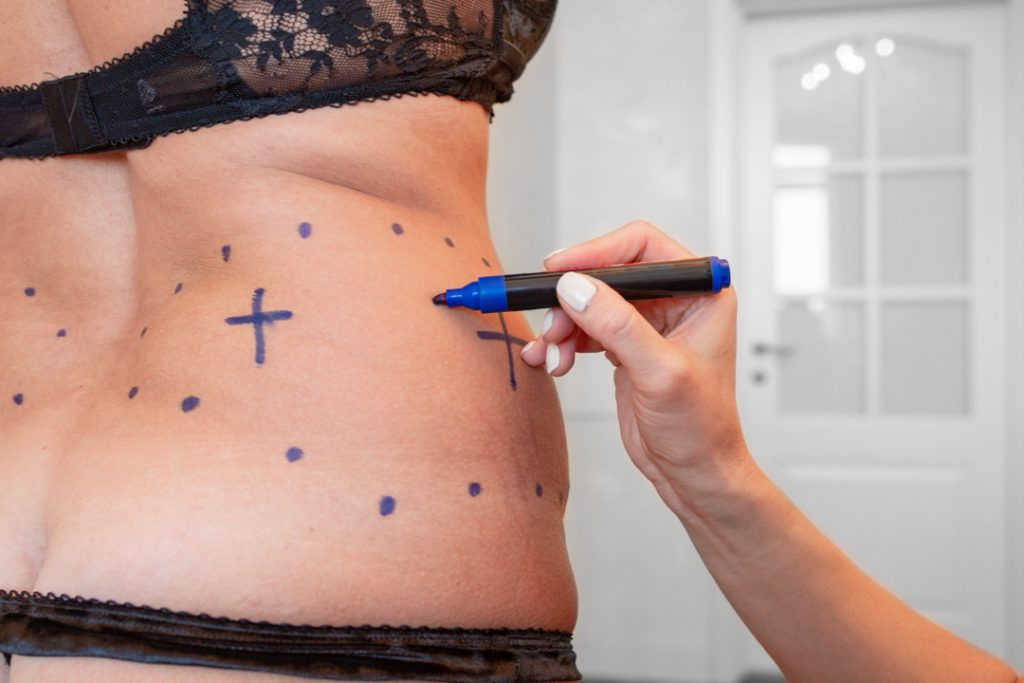
Body contouring tends to attract people who are already doing many things right. They exercise, they watch what they eat, they have lost weight or maintained a healthy routine, yet certain areas still refuse to cooperate. The lower abdomen remains soft. The flanks hold on. The inner thighs rub no matter how many lunges get done in a week. That frustration is real, and it is usually the reason people start exploring body contouring in the first place.
What makes Body Contouring Farmington Hills such a practical topic is that the goal is not general weight loss. It is shape refinement. That difference matters. Body contouring treatments are designed to target localized fat, skin laxity, and in some cases muscle tone, depending on the technology and the treatment plan. People often arrive expecting a dramatic transformation from one session. The better practices set expectations differently. They explain where body contouring works well, where it does not, and why some trouble spots respond faster than others.
The phrase “trouble spots” sounds casual, but from a clinical perspective it is useful. These are areas where fat distribution, skin quality, and genetics tend to create stubborn contours. In many cases, the issue is less about body size and more about proportion. Someone can be lean overall and still feel bothered by fullness under the chin or a small pocket over the bra line. Another person may have done an excellent job losing 30 or 40 pounds and now wants help with loose skin and residual fullness around the midsection. Those are different problems, and the right treatment depends on identifying which one is actually present.
Why certain body areas are so resistant
The body does not lose fat evenly. Most people know this from experience long before they hear it explained. Two patients can follow the same nutrition plan and the same workout schedule and end up with very different results in the same area. Hormones, age, past weight changes, pregnancy, genetics, and skin elasticity all influence how the body stores fat and how it rebounds after weight loss.
The abdomen is a classic example. For some people, the issue is superficial pinchable fat that sits above the muscle. For others, it is abdominal wall laxity after pregnancy or a deeper fullness that will not respond to contouring devices in the same way. Treating those as if they are identical leads to disappointment. A thoughtful provider in Farmington Hills will usually spend time distinguishing fat from loose skin and both from muscle separation or bloating. That step is more important than many people realize.
The flanks, outer thighs, and under-chin area also behave differently. These zones often carry a genetic component. You see it in families all the time. A patient can tell you, almost with a laugh, that every woman in her family has the same saddlebags or the same little pad under the chin. That does not mean the area cannot improve. It means the expectations should be framed around contour and reduction, not complete erasure.
What body contouring actually targets
Body contouring is really an umbrella term. In practice, it can involve treatments focused on one or more of three goals: reducing localized fat, tightening skin, or improving definition. Some technologies rely on controlled cooling. Others use heat, radiofrequency, ultrasound, or electrical muscle stimulation. Surgical contouring remains an option for people who need a larger change or have more excess tissue than a noninvasive approach can realistically handle.
The strongest treatment plans usually begin with a simple question: what bothers you when you get dressed? People often describe the answer very clearly. It is the waistband spillover. The upper arm that feels less toned in short sleeves. The lower belly that still projects after months of disciplined effort. That kind of practical description helps direct the evaluation.
In Farmington Hills, as in most established aesthetic markets, patients usually have access to both noninvasive and minimally invasive options. The effectiveness comes less from the marketing label and more from matching the tool to the tissue. If the problem is a small, well-defined fat pocket and the skin is still fairly elastic, noninvasive body contouring may do a very good job. If the skin is loose and crepey, adding a skin-tightening component may matter more than another round of fat reduction. If there is a larger amount of tissue, surgery may be the more efficient and honest answer.
The abdomen, where expectations need the most precision
No area creates more questions than the abdomen. People often use one word, “stomach,” for several distinct concerns. That is where a detailed assessment earns its keep.
If the upper or lower abdomen has localized fat and the skin still has decent snap-back, contouring devices can often create visible improvement over time. The result is usually a flatter, smoother profile in clothing and a more defined transition at the waistline. The best changes tend to be subtle but meaningful. Friends may not immediately say, “You had something done,” but the patient notices the jeans fit differently and the front of a fitted dress lies better.
Things get more complicated after pregnancy or major weight loss. Some patients have skin laxity that folds or bunches. Others have muscle separation, often called diastasis recti, which can push the abdomen outward even if body fat is not especially high. In those situations, noninvasive contouring alone has limits. It may reduce some fat or firm the skin modestly, but it cannot always recreate a flat abdomen if the structural issue is deeper. Good providers say that plainly. It may not be the sales pitch people hope to hear, but it prevents the much worse outcome of paying for a treatment that was never likely to solve the real problem.
Flanks, love handles, and the power of small reductions
The flanks are one of the most satisfying areas to treat because even a moderate reduction can change the whole silhouette. This is true for both men and women. When the area softens, the waist looks cleaner from the front and more tapered from the back. Shirts drape better. Waistbands dig in less. The patient often perceives the result as bigger than the actual inch loss because the eye is drawn to the new line.
This is a good example of why body contouring is about proportion. A person does not need a dramatic amount of fat removed from the flanks to see a noticeable shift. Sometimes targeting the flanks Body Contouring Farmington Hills changes the overall balance enough that the abdomen looks better too, even if the abdominal area was not treated as aggressively. Experienced clinicians understand this and often design plans that improve transitions between zones rather than trying to attack one area in isolation.
Thighs and arms, where comfort matters as much as appearance
Inner thighs and upper arms tend to carry a quiet emotional charge. People mention them almost apologetically, then describe very practical frustrations. Chafing in warm weather. A reluctance to wear sleeveless tops. The feeling that the thigh or arm is out of proportion with the rest of the body.
These areas can respond well, but they also require judgment. Inner thigh skin may be delicate and less forgiving, especially after weight changes. The upper arm can look smoother after fat reduction, but if the skin is already lax, volume loss alone may make looseness more apparent. That is why treatment selection matters. In some cases, a provider may combine approaches or recommend treating less aggressively in order to preserve a natural look.
There is a strong temptation to overpromise arm treatments because people want fast visible tightening. Realistically, improvement is often gradual. Better contour, a little more firmness, and less fullness in motion can be very worthwhile outcomes. They just need to be presented honestly.
The double chin, small area, big payoff
Submental fullness, the pocket beneath the chin, is one of the most disproportionately bothersome trouble spots. It can affect people at many body sizes and ages, and it tends to show up in every photo. The reason this area responds so well to contouring conversations is simple: small changes are highly visible on the face and neck.
That said, not every fullness under the chin is the same. Some of it is fat. Some is anatomy. Some is skin laxity. Some is posture. A younger person with a discrete fat pocket and firm skin often sees the most straightforward improvement. An older patient may also need skin tightening or a different intervention to sharpen the jawline. Again, matching the treatment to the actual tissue makes the difference between “better” and genuinely effective.
What a good consultation in Farmington Hills should cover
People often focus on the machine, but the consultation is where the real value lies. Technology matters, of course, yet two clinics can have similar equipment and produce very different patient experiences depending on how they evaluate and plan.
A solid consultation should cover these points:
- Whether the concern is mostly fat, skin laxity, muscle tone, or a combination.
- What level of change is realistic after one session versus several sessions.
- How long it may take to see results, since many treatments improve gradually over weeks or months.
- Whether the area is better suited to noninvasive treatment, minimally invasive treatment, or surgery.
- What maintenance, if any, may help preserve the outcome.
That conversation often tells you more about the quality of the practice than the treatment menu does. If everything sounds like a perfect fit, caution is reasonable. Most bodies present trade-offs.
How noninvasive treatments work on stubborn fat
The phrase “melt fat” gets used casually in marketing, but the underlying idea is more specific. Noninvasive devices typically expose the targeted tissue to controlled cooling, heat, sound energy, or other mechanisms intended to stress fat cells while sparing the surrounding skin. Over time, the body clears the affected cells or the tissue remodels, depending on the device and treatment goal.
This is why results are not usually immediate. Patients sometimes feel discouraged at first because they expect a sharp before-and-after moment. More often, what happens is a steady shift. Clothes fit a little looser. The area feels less bulky. Photos taken a month apart show a cleaner line than the mirror revealed day to day.
It is also why body contouring is not a substitute for overall weight management. If weight is fluctuating significantly, the treated area may not hold its new proportions as well. The best candidates are often close to a stable weight and bothered by localized pockets that seem out of step with the rest of their shape.
Skin tightening changes the conversation
Many trouble spots are not purely a fat problem. A patient may pinch the area and assume the whole thickness is fat, when part of what they are feeling is loose skin. This is especially common after weight loss, pregnancy, or natural age-related collagen decline.
Skin-tightening treatments aim to stimulate remodeling so the treated area appears firmer and more compact. Results vary. Younger patients with mild laxity generally respond better than someone with significant excess skin. Even so, modest tightening can make contouring results look much cleaner. On the abdomen, for example, a little skin contraction may improve how the lower belly sits in clothing. On the arms or above the knees, subtle tightening can reduce that soft, slightly crinkled appearance that bothers patients more than volume alone.
This is one of the more nuanced parts of Body Contouring Farmington Hills discussions. Patients often come in asking for fat reduction because that is the term they know, but the real win may come from treating laxity, not from chasing more volume loss.
Where surgery still has the advantage
There is no reason to pretend noninvasive options can do everything. They cannot. If someone has a significant apron of loose abdominal skin, marked arm laxity, or enough tissue that dramatic reshaping is the surgical body sculpting true goal, surgery may be the better path. For the right patient, it can be more efficient, more definitive, and ultimately more cost-effective than repeated noninvasive sessions that nibble around the edges.
That does not make noninvasive contouring less valuable. It simply places it in the correct lane. Many patients are not trying to change their body dramatically. They want refinement without incisions, general anesthesia, or a longer recovery. For them, the appeal is obvious. The treatment can fit into a normal schedule, and the changes, while not surgical in scale, may be enough to make them feel more comfortable in their clothes and more aligned with the effort they are already putting into their health.
The role of aftercare and patience
One reason some patients say body contouring “didn’t work” is that they expected it to behave like a one-time cosmetic event. In reality, outcomes are influenced by hydration, weight stability, movement, inflammation, and time. Swelling or temporary tenderness can obscure early progress. Photos taken too soon can miss the eventual endpoint.
A few practical habits usually support better satisfaction:
- Keep body weight relatively stable while waiting for results to develop.
- Follow post-treatment guidance on activity, compression, or massage if your provider recommends it.
- Take standardized progress photos in similar lighting and clothing.
- Give the process enough time before judging the outcome.
- Return for follow-up so the plan can be adjusted if one area lags behind another.
None of this is glamorous, but it reflects real practice. The people happiest with their outcomes are often the ones who understand the rhythm of the process from the start.
What results usually feel like in daily life
People often ask how much change they will “see,” but what they really want to know is how much change they will feel. In day-to-day terms, success often looks like this: a waistband sits flatter, a dress skims instead of clings, a neckline frames the jaw more cleanly, or the arms feel less self-conscious in sleeveless clothing. These are not abstract benefits. They are repeated, practical moments.
One patient might notice that the muffin-top effect over fitted pants is finally reduced. Another might realize she no longer automatically reaches for a cardigan in summer. A man who treats his flanks may find his shirts fit more cleanly through the torso. Those examples capture the lived value of contouring better than any dramatic promise ever could.
Choosing the right provider in Farmington Hills
The local market matters because body contouring is not just about owning a device. It is about knowing how bodies vary across age, weight history, skin quality, and lifestyle. A provider with experience will ask detailed questions and sometimes recommend doing less than the patient expected, not more. That restraint is usually a good sign.
Look for a practice that speaks clearly about candidacy, timeline, and limitations. Before-and-after photos can be useful, but they should not replace a thoughtful exam. The best consultations leave patients better informed, even if they decide to wait or choose a different option. That is often how you can tell the advice is centered on fit rather than on filling an appointment slot.
For many people, Body Contouring Farmington Hills becomes worthwhile when the treatment plan is built around the actual trouble spot instead of a generic package. The anatomy of the area, the condition of the skin, the patient’s weight stability, and the scale of change desired all matter. When those pieces line up, contouring can be very effective. Not because it does everything, but because it targets the right problem with the right level of intervention.
And that is really the heart of it. Trouble spots are rarely stubborn for just one reason. The most effective body contouring addresses that complexity honestly, works within the biology of the area, and aims for changes that feel believable on a real body living a real life.