What Lifestyle Habits Protect Liposuction Farmington Hills Results?
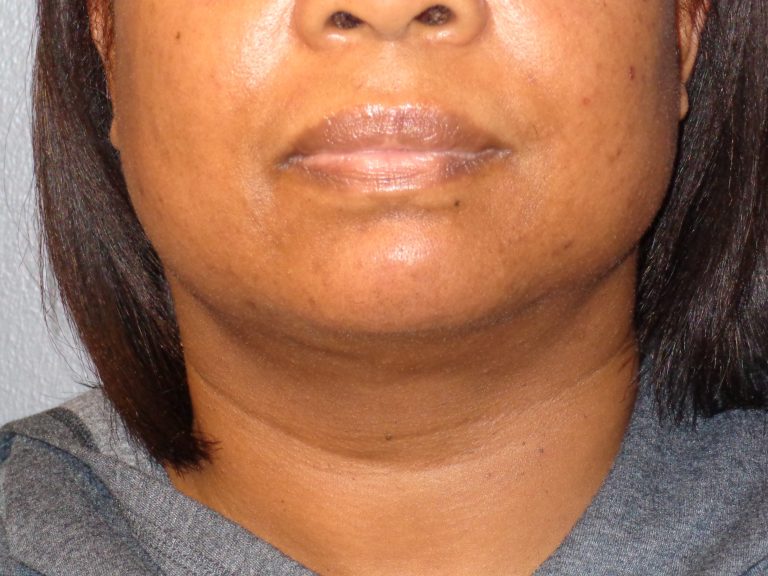
Liposuction can create a sharper waistline, slimmer thighs, a flatter lower abdomen, or cleaner definition along the back and arms. What it cannot do is freeze the body in place. People are often surprised by that, not because the procedure failed, but because fat biology, aging, hormones, stress, sleep, and day-to-day habits keep working long after surgery is over.
That matters if you are considering liposuction in Farmington Hills, or if you have already had it and want your results to last. The best long-term outcomes rarely come from one dramatic change. They usually come from a handful of repeatable habits that keep weight stable, protect muscle, reduce inflammation, and make it less likely that old patterns will return.
A useful way to think about it is this: liposuction changes contour, then lifestyle protects contour. The people who tend to stay happiest with their results years later are not necessarily perfect eaters or gym regulars. More often, they are steady. They recover well, avoid big weight swings, keep moving even during busy seasons, and notice small regain before it turns into something larger.
What liposuction changes, and what it does not
Liposuction removes fat cells from targeted areas. Once those cells are removed, they do not simply grow back in the same number. That is the part many patients focus on, and it is important. But the remaining fat cells in the body can still enlarge if calorie intake regularly exceeds energy needs. Weight gain after liposuction may not show up in exactly the same pattern as before, which is one reason maintenance matters so much. Someone who used to store more fullness in the lower abdomen may notice later gain in the upper abdomen, flanks, arms, or back instead.
This is where expectations make a real difference. Liposuction is not a substitute for metabolic health, and it is not a lifelong shield against weight gain. It is a body contouring procedure. It works best for people close to a stable weight who want to refine shape, not for people hoping the procedure will carry the full burden of change.
That distinction can save people a lot of frustration. A patient may have an excellent early result and still feel disappointed a year later if old routines return, especially if those routines include inconsistent meals, little movement, poor sleep, and frequent alcohol intake. On the other hand, even modest discipline can preserve a result beautifully.
The habit that protects results more than any other: weight stability
If I had to narrow long-term maintenance to one concept, it would be this: avoid significant weight fluctuation. Small changes happen. Five pounds up during the holidays, then back down after a few normal weeks, is not unusual. Repeated gains of fifteen, twenty, or thirty pounds are different. Those swings stretch the skin, enlarge remaining fat cells, and can soften the contour liposuction created.
Stable weight is not glamorous advice, but it is the truth. Patients often ask whether they need to be thinner after surgery than before. Usually, no. They need to be consistent. Someone who stays within a narrow range year-round generally protects results better than someone who alternates between strict dieting and rebound overeating.
That means maintenance habits should be realistic enough to survive ordinary life. A highly restrictive food plan may work for six weeks. It rarely works for six years. The better approach is routine: regular meals, adequate protein, mostly whole foods, reasonable portions, and enough flexibility to handle restaurants, holidays, and travel without turning every event into a setback.
Eating patterns that support contour without turning life into a diet
Most people do not need an extreme nutrition philosophy after liposuction. They need a structure they can repeat. That structure often starts with appetite control and blood sugar steadiness. Meals built around protein, fiber, and minimally processed carbohydrates tend to keep hunger more manageable than meals dominated by refined snacks or sugary drinks.
Protein deserves special attention because it helps preserve lean mass. Muscle is not just an aesthetic issue. It supports metabolic health, physical function, and the overall look of the body. When people under-eat protein, especially while trying to keep weight down, they can end up losing muscle and regaining fat, which changes shape in an unwelcome way. For many adults, a practical target is to include a meaningful protein source at each meal, such as eggs, Greek yogurt, fish, chicken, tofu, cottage cheese, beans, or lean beef. The exact amount varies by body size and activity level, but the pattern matters.
Fiber is another quiet protector. Vegetables, fruit, legumes, oats, and whole grains help with fullness and digestive regularity, both useful during long-term maintenance. Most people who struggle with regain are not gaining because they ate too many carrots or lentils. The more common problem is frequent intake of calorie-dense foods that are easy to overeat and not very filling.
Alcohol deserves honest attention too. It can undermine results in several ways at once. It adds calories quickly, lowers food restraint, worsens sleep, and can increase postoperative swelling in the earlier healing phase. A nightly two-glass habit may seem small, but over months it can easily become the difference between stable results and gradual regain.
The strongest eating plan is usually the least theatrical one. Think simple breakfasts, predictable lunches, satisfying dinners, and fewer impulsive calories from grazing. People often do better when they keep weekday meals somewhat consistent and leave more flexibility for social occasions. That approach reduces decision fatigue and makes weight maintenance less mentally expensive.
Exercise matters, but not always in the way people assume
Many patients think they need punishing workouts to hold onto liposuction results. They do not. What they need is enough movement to support calorie balance, circulation, muscle retention, insulin sensitivity, and general health. The best routine is the one that still exists six months from now.
Walking is underrated here. It is low impact, accessible, and surprisingly effective for weight maintenance when done consistently. A person who lifts weights three times a week but is otherwise sedentary can still struggle if daily movement is minimal. By contrast, someone who strength trains moderately and also walks regularly often holds results more easily.
Strength training deserves its own mention because it changes body composition in a way the scale may not fully show. Two people at the same weight can look very different depending on muscle mass. After liposuction, preserving or building muscle often enhances the result, especially in the abdomen, waist, glutes, and thighs. It improves posture, firmness, and the overall balance of the silhouette.
Cardio has value too, particularly for heart health and calorie expenditure, but it does not have to mean endless high-intensity sessions. Some patients do very well with brisk walking, cycling, swimming, or incline treadmill work. Others enjoy interval classes. The exact modality matters less than regularity.
A practical weekly framework looks like this:
- Walk most days, even if the sessions are modest.
- Strength train two to four times per week.
- Use cardio to support fitness and calorie balance, not as punishment for eating.
- Increase activity gradually after surgery, based on your surgeon’s guidance.
- Choose forms of exercise you can keep during stressful months, not just ideal months.
That kind of routine is far more protective than the familiar cycle of overtraining for a few weeks, burning out, and then doing nothing.
Sleep, stress, and the hidden drivers of regain
Patients often focus on food and exercise while ignoring the forces that quietly influence both. Poor sleep and chronic stress can erode even strong intentions. Hunger tends to rise when people are sleep deprived. Cravings become harder to manage. Workouts feel harder to start. Recovery suffers. Water retention goes up. The result is not always true fat gain right away, but it often starts the pattern that leads there.
Most adults do better with roughly seven to nine hours of sleep. Not perfect sleep, not an expensive sleep tracker, just dependable rest. A regular bedtime, reduced late-night alcohol, and fewer screens in the hour before bed can make more difference than people expect.
Stress management is less about bubble baths and more about load control. When someone is overscheduled, under-rested, and constantly reacting, convenience food and missed workouts stop being occasional and become standard. I have seen many people maintain results beautifully through ordinary life stress, but it usually required some deliberate guardrails: meal prep a few days a week, calendar-blocked exercise, groceries in the house, and realistic expectations during chaotic periods.
This is one of the least discussed truths about body contouring maintenance. Your environment often determines your habits before motivation has a chance to speak.
Recovery habits that set the stage for long-term success
The earliest phase after liposuction is not just about getting through discomfort. It often shapes how well people transition into maintenance. Following postoperative instructions carefully can reduce complications, support smoother healing, and improve the final contour.
Compression garments, for example, may not be glamorous, but they can play an important role in swelling control and tissue support, depending on the surgeon’s protocol. Early walking also matters. It improves circulation, reduces stiffness, and gently restarts the habit of daily movement. Hydration, low-sodium choices during the swelling phase, and patience with temporary contour irregularities can all make recovery less stressful.
One mistake some patients make is trying to “diet hard” right after surgery. Recovery is not the time for aggressive calorie restriction. The body needs nutrients to heal. Under-eating protein and total calories in those first weeks can leave people feeling weak, irritable, and less likely to reestablish healthy routines. Another mistake is going in the opposite direction and treating the surgery as permission for weeks of inactivity and unrestricted comfort eating. Neither extreme helps.
A balanced approach usually works best: recover as instructed, resume gentle movement when cleared, and return to structured eating before drift sets in.
Why muscle preservation changes the look of results
There is a visual difference between being lighter and being tighter. Liposuction can improve shape, but Liposuction Farmington HIlls the quality of the result often depends on what remains under the skin. Muscle provides structure. Without it, even a lower body fat level can look softer than expected.
This becomes especially relevant with age. Starting in the thirties and continuing over time, many adults gradually lose muscle if they do not train against that trend. Hormonal changes, especially around perimenopause and menopause, can make fat distribution less forgiving and maintenance more difficult. Men see similar issues with aging, sedentary work, and declining activity. In both cases, resistance training and adequate protein become more important, not less.
I have seen patients become discouraged because the scale stayed about the same after surgery, yet their clothes fit much better and their shape improved dramatically once they committed to strength work. That is not a small point. Scale obsession pushes people toward short-term restriction, while body composition habits support the result they actually care about.
The role of hydration, sodium, and bloating
Not every change in appearance after liposuction is fat regain. This is worth emphasizing because people often panic when the mirror shifts from one week to the next. High-sodium restaurant meals, menstrual cycles, poor sleep, alcohol, long flights, constipation, and stress can all create temporary bloating and fluid retention. The waist looks softer, rings feel tighter, and suddenly a person assumes their result is disappearing.
Usually, true regain happens more gradually. It unfolds over weeks to months, not overnight after sushi or a wedding weekend. Good hydration helps here, though it is not a magic trick. Drinking enough water, eating potassium-rich produce, moving regularly, and keeping sodium reasonably consistent can reduce dramatic fluctuations in how the body looks and feels.
It helps to judge progress over longer windows. How do your clothes fit over the course of a month? Has your average weight shifted, not just one morning’s number? Are your routines still in place? Those questions are more useful than reacting emotionally to a single puffy day.
Habits that commonly sabotage good results
The people who lose the plot after liposuction usually do not do so because of one catastrophic choice. It is more often a string of ordinary decisions that slowly pile up. A few patterns come up again and again:
- Treating surgery as a reset button rather than a contouring tool
- Skipping meals during the day, then overeating at night
- Drinking calories regularly without noticing their cumulative effect
- Exercising in short bursts of intensity, then abandoning it for weeks
- Ignoring small weight regain until it becomes much harder to reverse
Each of those sounds manageable on paper, but in real life they can snowball fast. The answer is not guilt. It is early correction. A regained three pounds is mostly a routine issue. A regained twenty pounds often comes with frustration, denial, and a feeling that the whole effort was wasted. Catching drift early preserves both the physical result and the patient’s confidence.
How maintenance changes during different seasons of life
One reason body contouring results change over time is that life changes over time. A maintenance plan that worked at age thirty may not work at forty-five with two children, a demanding job, and less free time. Hormonal shifts, injuries, caregiving, grief, and travel can all alter what is realistic.
That does not mean results are doomed. It means habits need updates. Someone who used to do hour-long gym sessions may need to switch to thirty-minute home workouts and walking meetings. A patient entering menopause may need to pay closer attention to protein, resistance training, sleep quality, and alcohol tolerance. Someone recovering from a knee issue Aesthetic Plastic Surgery & Laser Center Liposuction Farmington HIlls may need to swap running for cycling or swimming while keeping calorie intake aligned with lower activity.
This kind of adjustment is where experience matters. Maintenance is not a fixed plan. It is a responsive one. People who do well long-term are usually willing to adapt without letting themselves slide into all-or-nothing thinking.
The local piece: making Liposuction Farmington Hills results last
When people search for Liposuction Farmington Hills, they are usually focused on the procedure itself, the surgeon, the recovery timeline, and cost. Those are valid concerns. But the local context matters in a quieter way too. Michigan seasons influence activity patterns. Winter can sharply reduce outdoor movement, and holiday eating tends to stretch longer in colder months. If you know that about yourself, build around it before it becomes a problem.
That might mean committing to a treadmill desk in January, keeping a walking track in rotation, booking strength sessions on the calendar before work gets hectic, or setting a tighter alcohol routine during the holidays. Patients who anticipate seasonal drift usually protect their results better than those who react after the fact.
The same applies to social life. Restaurant-heavy weeks, summer weekends at the lake, business dinners, and frequent celebrations can all nudge weight upward if there is no anchor routine underneath. You do not need to avoid living. You do need enough structure that enjoyment does not become creep.
When to ask for help
There is a point where self-correction is enough, and a point where outside help is smart. If weight is rising steadily, if old emotional eating patterns are returning, if exercise feels impossible because of pain or fatigue, or if body changes seem sudden and unexplained, it is worth checking in. Sometimes the issue is behavioral. Sometimes it is hormonal, orthopedic, or medication-related.
A surgeon’s office may also help distinguish normal healing fluctuations from something that needs evaluation. Persistent swelling, asymmetry that seems to worsen, unusual firmness, or other postoperative concerns should not be managed by internet reassurance alone.
For some people, a few sessions with a registered dietitian, trainer, or therapist produce more lasting value than another round of trying to force discipline through willpower. Support is not failure. It is often the reason maintenance becomes easier.
The long view
The best liposuction results tend to age well when patients respect the procedure for what it is and what it is not. It can improve shape significantly. It can remove stubborn fat that resisted ordinary efforts. It can boost confidence and make clothing fit better. But it still depends on a body that responds to sleep, food, movement, hormones, stress, and time.
Protecting that result usually comes down to a few durable habits: stay near a stable weight, eat in a way that controls hunger and preserves muscle, move often, strength train consistently, sleep enough, limit the routine extras that add up, and correct small drifts early. That is not flashy advice, but it is the advice that tends to hold.
If you are considering Liposuction Farmington Hills, ask not only whether you are a good surgical candidate, but also whether your current routines can support what surgery creates. If they cannot yet, that is not disqualifying. It is simply the work that makes the investment worthwhile. The procedure may take a few hours. The result you keep is built in the months and years after.
Aesthetic Plastic Surgery & Laser Center, Michelle Hardaway M.D.
27920 Orchard Lake Rd
Farmington Hills, MI 48334
(248) 221-1957
FAQ About Liposuction Farmington Hills
What disqualifies you from getting liposuction in Farmington Hills?
A surgeon may recommend postponing or avoiding liposuction if a health condition, medication, or nicotine use raises the risk of surgery or poor healing. A consultation is needed to assess your medical history and whether the procedure fits your goals.
Can liposuction remove 20 pounds?
Liposuction is a body contouring procedure for localized fat. It is not a weight loss treatment, and a specific number of pounds is not a safe or useful target. The surgeon determines how much can be removed safely for each patient.
What are the risks of liposuction?
Risks include infection, changes in sensation, uneven contours, and complications from anesthesia or blood clots. A plastic surgeon can explain which risks apply to you and what to expect during recovery.