What to Ask About Scarring Before Liposuction Farmington Hills
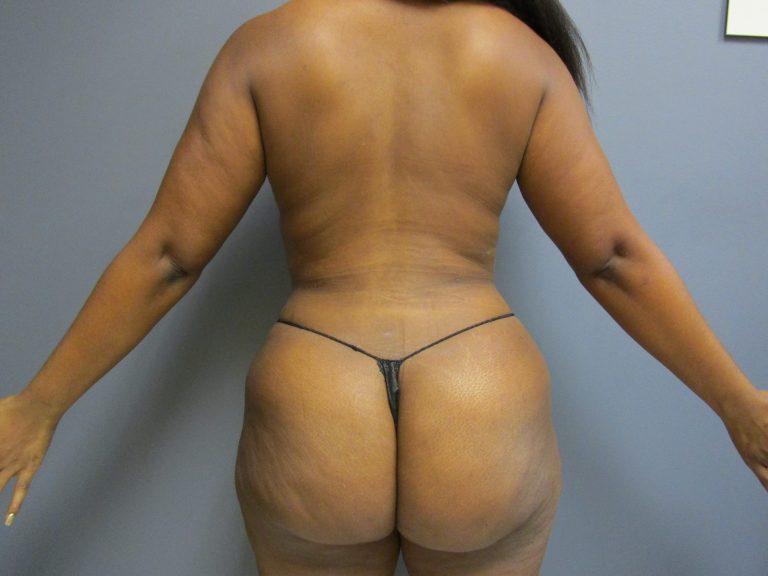
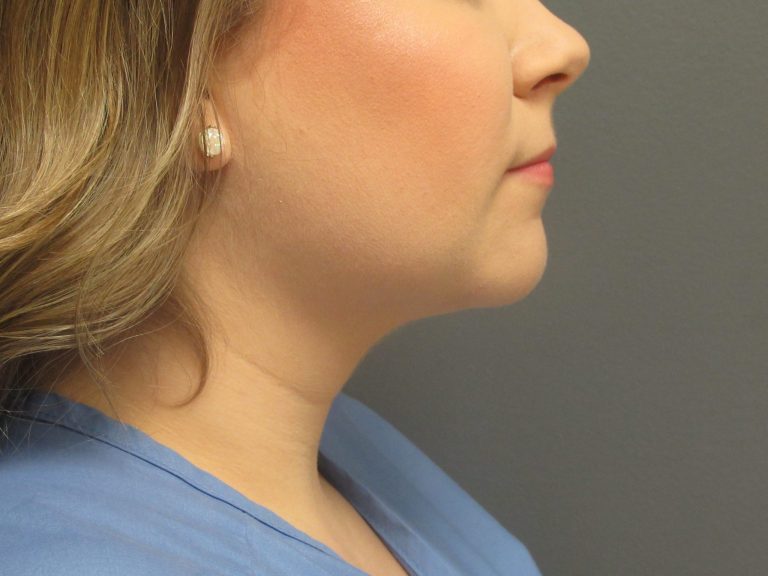
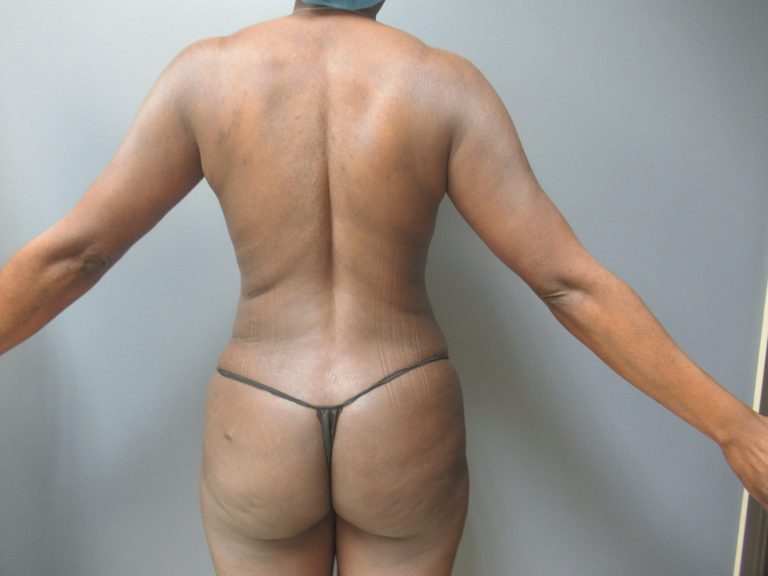
Anyone thinking about body contouring usually starts with the same hope: a slimmer shape, smoother proportions, clothes that fit better. Then the practical questions arrive. How much swelling should I expect? How long before I can work out again? And, often a little more quietly, will I be left with scars?
That last question deserves more attention than it usually gets. Liposuction uses small incisions, so the scars are typically modest, but modest does not mean meaningless. A tiny mark can heal into something barely noticeable, or it can darken, widen, stay raised, or land in a spot that bothers you every time you look in the mirror. The difference often comes down to surgical planning, your skin biology, and how carefully you handle recovery.
If you are exploring Liposuction Farmington Hills options, it helps to walk into your consultation with better questions than “Will I scar?” The answer to that is always yes, at least to some degree, because any incision leaves a scar. The more useful conversation is about where those scars will be, how visible they are likely to become, what your personal risk factors are, and what can be done before and after surgery to help them mature well.
The first thing to clarify: every incision scars, even tiny ones
Liposuction scars are usually small because the cannula enters through short incisions, often only a few millimeters long. In practice, that often means marks that resemble small dots or short lines once healed. On many patients, those marks fade substantially over time. On others, especially patients with a history of darker post inflammatory marks or raised scars, they can stay visible longer than expected.
That is why you want a surgeon who speaks plainly. If someone minimizes the topic too aggressively, treat that as a concern. Good surgeons do not promise scar free surgery. They explain likely outcomes, show their incision strategy, and talk about how your skin type may influence healing.
A useful way to frame the discussion is to ask not whether you will scar, but what kind of scar is most likely in your case. That changes the conversation from vague reassurance to personalized planning.
Ask where each incision will be placed, and why
Scar location matters at least as much as scar size. A tiny scar hidden in a natural crease or inside the belly button may not bother you at all. The same size scar in a visually central area can become a recurring annoyance, especially in swimwear or under certain lighting.
During consultation, ask your surgeon to mark or describe the proposed incision sites for the exact areas you want treated. If you are considering the abdomen, flanks, thighs, arms, or under the chin, the access points will differ. A thoughtful surgeon usually places incisions where they can be concealed by underwear lines, natural body folds, or less obvious transitions in contour. Sometimes there is more than one possible route to the same treatment zone, and that is worth discussing.
It also helps to ask whether the surgeon is choosing the site primarily for access, scar concealment, or both. Sometimes the cleanest contour requires an access point that is not the most hidden. That is not necessarily a problem, but you should hear that trade off before surgery, not discover it later in the mirror.
Patients often focus on the main treatment area and forget that liposuction may require several small entry points to achieve even results. One abdominal case might use more than one incision. Arms and inner thighs can be similar. Asking the surgeon to walk you through the total number of likely incision sites prevents surprises.
Ask to see healed scars, not just early after photos
Before and after galleries are useful, but they can be selective. Many photo sets are taken when swelling has improved and shape looks better, yet scar maturation is still early. A scar at six weeks tells you very little about how it will look at six months or a year.
Ask whether the surgeon can show examples of healed incision scars in patients with similar skin tone and treatment areas. That last detail matters. A tiny under chin scar behaves differently from a scar near the hip or in the crease of the arm. Skin quality, tension, and friction all affect healing.
If you have deeper skin tones, ask specifically to see healed results in patients with similar pigmentation. Post inflammatory hyperpigmentation can linger longer in some skin types, and that should be part of the consultation. The right surgeon will not treat this as a niche concern. They will treat it as routine individualized planning.
One of the more revealing moments in a consultation is how a surgeon responds when you ask to see ordinary results, not just best case results. Experienced, confident surgeons usually appreciate that question.
Ask how your skin type and medical history affect scar risk
Scarring is never purely about surgical skill. Biology has a vote. Some patients form fine, faint scars almost no matter what. Others are prone to darker, thicker, or more reactive healing even after careful surgery.
This is where your personal history matters. Tell your surgeon if you have ever had a raised scar after a mole removal, C section, piercing, burn, or acne lesion. Mention if you tend to form keloids or hypertrophic scars, or if family members do. Bring up eczema, psoriasis, adhesive sensitivity, or any pigment changes after skin irritation. These details may seem minor, but they are not.
A strong consultation includes questions like these:
- Based on my skin tone and history, am I at higher risk for dark, raised, or slow healing scars?
- Have you treated patients who scar like I do, and what did you change for them?
- Are there areas on my body where scars tend to heal better or worse?
- If a scar becomes raised or pigmented, how would you treat it?
- Is there anything in my health history that makes you less comfortable operating?
These questions tell you whether the surgeon is thinking beyond the operating room. They also help reveal whether you are speaking with someone who has practical scar management experience, not just technical liposuction skill.
Technique matters, but technique is not magic
Patients often ask whether one type of liposuction causes less scarring than another. The honest answer is that the incision itself is usually small regardless of whether the procedure is tumescent, power assisted, ultrasound assisted, or paired with another technology. What matters more is how many access points are used, how those incisions are handled, whether the skin is under tension, and how your body heals.
That said, technique still matters. A surgeon who plans carefully and avoids unnecessary trauma generally gives your skin a better environment for recovery. Gentle tissue handling, avoiding excessive incision stretching, and choosing sensible access points can all help. If skin tightening procedures are added, scar patterns may change, especially if excisional surgery is involved. That is an important distinction because liposuction alone usually means very small scars, while procedures that remove skin create longer scars by design.
If your surgeon recommends combining liposuction with something else, ask whether the expected contour benefit justifies the additional scarring. Many patients are glad they asked. Sometimes the answer is clearly yes. Sometimes the right choice is to stage procedures or accept a little more laxity in exchange for smaller scars.
Ask how closure is handled, and why
Small incisions are not always managed the same way. Some are left to drain briefly, particularly after tumescent liposuction, while others may be closed with sutures or adhesive strips depending on the area and the surgeon’s preference. Each approach has reasoning behind it.
This is worth discussing because healing patterns can differ. A small incision that drains initially may reduce fluid retention in some cases, but patients should know what that looks like Liposuction Farmington HIlls and how wound care will be handled. A closed incision may look tidier early on, but context matters. There is no one universal rule that fits every body area or every surgeon’s technique.
Ask what the immediate post operative appearance will be, whether drainage is expected, and when dressings are changed. Patients often panic when they see pink fluid or small spots on gauze after surgery, when in fact it was anticipated. Clear guidance reduces anxiety and helps you follow instructions correctly.
Recovery habits can make a visible difference
Scar quality is shaped long after the procedure ends. This is the part many patients underestimate. You cannot control your genetics, but you can strongly influence the healing environment.
Compression garments, incision care, sun protection, activity limits, and smoking avoidance all matter. So does patience. Fresh scars are often pink, firm, and more obvious before they settle down. That is normal. A mature scar may take many months to reveal its final appearance.
A surgeon’s post operative instructions should be specific, not casual. “Keep it clean” is not enough. You should know when to shower, what topical products are appropriate, whether silicone gel or silicone sheets are recommended, how long to avoid direct sun, and what signs of abnormal healing should prompt a call.
One common mistake is doing too much too soon. Friction, heavy motion in certain areas, and premature return to intense workouts can irritate healing incisions. Another is neglecting sun protection. Even a tiny healing scar can darken significantly if exposed to ultraviolet light, especially in patients prone to pigmentation.
Ask what scar care protocol they actually recommend
Not every office approaches scar care the same way. Some wait and see. Others start preventive care once the skin has closed. Neither approach is automatically wrong, but you should know the plan before surgery.
Ask whether the office recommends silicone based scar therapy, massage, paper tape, or laser treatment if a scar becomes persistent. Also ask when those steps begin. Timing matters. A cream applied too early can irritate a not yet healed incision. A patient who waits too long to report a thickening scar may miss the most effective early treatment window.
The practical point here is simple: do not settle for “we’ll see how you heal.” A better answer sounds like a protocol. It acknowledges that most scars mature uneventfully, but it also outlines what the office does if they do not.
The hard question: what happens if my scars heal badly?
This is the question many patients avoid because it feels negative. Ask it anyway. It is one of the best ways to judge a surgeon’s honesty.
You want to know how the practice handles raised scars, widened scars, hyperpigmentation, prolonged redness, delayed healing, or small contour changes around incision sites. Some offices can offer steroid injections for hypertrophic scars, topical strategies, microneedling after appropriate healing, laser treatments, or formal scar revision in selected cases. The exact options vary, and not every scar needs intervention. What matters is that the surgeon does not act as if imperfect healing is too rare to discuss.
An experienced surgeon has seen ordinary healing, excellent healing, and disappointing healing. They should be able to explain the difference between a scar that is simply immature and one that may need treatment. They should also tell you when to worry. For example, a scar that stays red for a while may still be normal, while a scar that becomes increasingly thick, itchy, and raised may deserve earlier review.
When patients ask this question, they often learn something valuable about office culture. Practices that take follow up seriously tend to answer concretely. Practices that view scars as your problem after the procedure tend to answer vaguely.
Timing matters more than many people realize
If you have an important event coming up, ask how scar appearance may evolve over the months after surgery. Liposuction recovery is not just about swelling. Incisions also move through phases. A scar that looks subtle at first can become more noticeable for a period before fading again. That trajectory surprises many people.
If you are planning a warm weather vacation, wedding, reunion, or beach season reveal, discuss that honestly. The issue may not be whether you can physically attend. It may be whether you are comfortable showing the area while the scars are still pink or while you are wearing compression.
This is particularly relevant when people search for Liposuction Farmington Hills during a seasonal rush, often hoping to look ready by summer. Good planning means counting backward several months, not several weeks.
Small scars can still matter emotionally
Some patients truly do not care about a few tiny marks. Others care a great deal, especially if they have had prior scars that healed poorly or if the treated area is one they have long felt self conscious about. Neither reaction is unreasonable.
A useful consultation leaves room for your preferences. If a scar hidden lower on the body feels acceptable to you but a more central visible scar does not, say so. If you would rather accept a slightly less aggressive treatment plan to reduce the number of access points, mention that. Surgical planning is not just anatomy. It is personal priorities.
I have seen patients be thrilled with a technically excellent contour result yet remain fixated on a small incision they were not prepared for. I have also seen patients with barely visible scars stay remarkably calm because they knew exactly where those marks would be and how long they might take to fade. Expectation management is not a soft skill. It is part of good medical care.
Red flags during the consultation
Not every troubling answer is dramatic. Sometimes the concern is subtle. A surgeon who rushes past scar placement, does not ask about your scar history, or cannot explain their follow up strategy may not be the right fit for a detail conscious patient.
Watch for a few patterns that deserve caution:
- Promises of “no scarring” or claims that scars are irrelevant
- Evasion when you ask to see healed incision results
- No questions about your personal or family history of difficult scars
- Vague aftercare instructions with no scar management plan
- Pressure to combine procedures without a clear discussion of added scars
These are not automatic deal breakers in every case, but they should prompt sharper follow up questions. Cosmetic surgery is elective. You have room to be selective.
Questions about infection, healing delays, and skin injury are really scar questions too
Patients often separate complication questions from scar questions, but in real life they overlap. Anything that disrupts normal wound healing can worsen scarring. A small area of delayed healing can leave a more visible mark. So can irritation from dressings, tension at an incision, or a superficial skin injury from energy based devices when those are used.
This is why it makes sense to ask about complication rates in a practical way. Not because you expect the worst, but because clean wound healing gives you the best shot at a discreet scar. Ask what symptoms suggest infection, when the office wants photos, and how quickly concerns are handled after hours. A responsive practice often catches small problems before they become bigger ones.
If you are prone to pigment changes, say that early
Some of the most frustrating “scars” patients notice after liposuction are not raised or widened at all. They are flat marks that stay darker than surrounding skin. In many cases that is a pigment issue rather than a structural scar problem, but from the patient’s point of view, visibility is visibility.
If you have ever developed dark marks after acne, bug bites, waxing, or minor cuts, mention it at the start of the consultation. That history can influence how carefully you need to approach sun protection, topical products, and the timing of any corrective treatment. It can also shape where incision placement is least likely to bother you cosmetically.
The goal is not perfection, it is informed consent and smart planning
Scar conversations tend to go wrong in two ways. Some patients are dismissed with “they’re tiny, don’t worry.” Others become so focused on the possibility of a visible mark that they lose sight of the overall trade off. The sensible middle ground is informed consent.
A well run consultation should help you understand what is likely, what is possible, and what is personal to your own skin. You should leave knowing where incisions will probably Liposuction Farmington HIlls be, how they will be cared for, how long they may remain noticeable, and what the office would do if healing is not ideal.
That level of detail is especially important when comparing providers for Liposuction Farmington Hills. Technical skill matters. Aesthetic judgment matters. Just as important, though less glamorous, is whether the surgeon treats scar planning as a serious part of the procedure instead of an afterthought.
The best question to carry into the room is simple: “Can you show me how you think about scars in someone like me?” A strong surgeon will have a clear answer. And if they do, you are far more likely to make a decision you feel good about months after the swelling has faded and the mirrors are less forgiving than the before and after gallery ever was.
Aesthetic Plastic Surgery & Laser Center, Michelle Hardaway M.D.
27920 Orchard Lake Rd
Farmington Hills, MI 48334
(248) 221-1957
FAQ About Liposuction Farmington Hills
What disqualifies you from getting liposuction in Farmington Hills?
A surgeon may recommend postponing or avoiding liposuction if a health condition, medication, or nicotine use raises the risk of surgery or poor healing. A consultation is needed to assess your medical history and whether the procedure fits your goals.
Can liposuction remove 20 pounds?
Liposuction is a body contouring procedure for localized fat. It is not a weight loss treatment, and a specific number of pounds is not a safe or useful target. The surgeon determines how much can be removed safely for each patient.
What are the risks of liposuction?
Risks include infection, changes in sensation, uneven contours, and complications from anesthesia or blood clots. A plastic surgeon can explain which risks apply to you and what to expect during recovery.